
In order to agilize a project we don’t need to decide what agile method to use, but to make sure that the project context is set up for agility:
- define what to do (create a backlog of what needs to be done )
- define needs, this triggers the conception and realization of user stories
- agree outcomes, what is of value for the customer in order to originate flow
- select who will do it (form a team that has all the competence and skills to complete the work)
- organize clarity (conversations about needs and US’s), speed (cadence of delivery), and accountability (taking ownership of delivery)
- set the ground rules on how to do it (agree on how work is going to be done in order to deliver value frequently)
- Keep visibility (this backs up conversations and understanding of needs, helps manage flow and cadence, and clarifies commitment)
- manage options and test assumptions (how work is prioritized, estimated, validated, and completed)
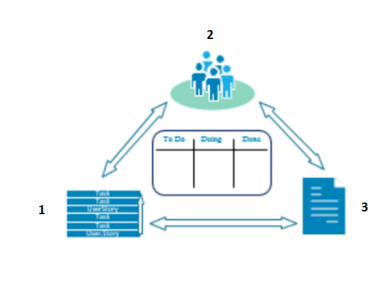
These agile fundamentals provide a solid ground where agile practices will facilitate the delivery of value.
Note: this is based on Mike Cottmeyer’s (Leading Agile) thoughts, integrated with Mike Burrows’ Agendashift principles.

 Adaptive Ways